

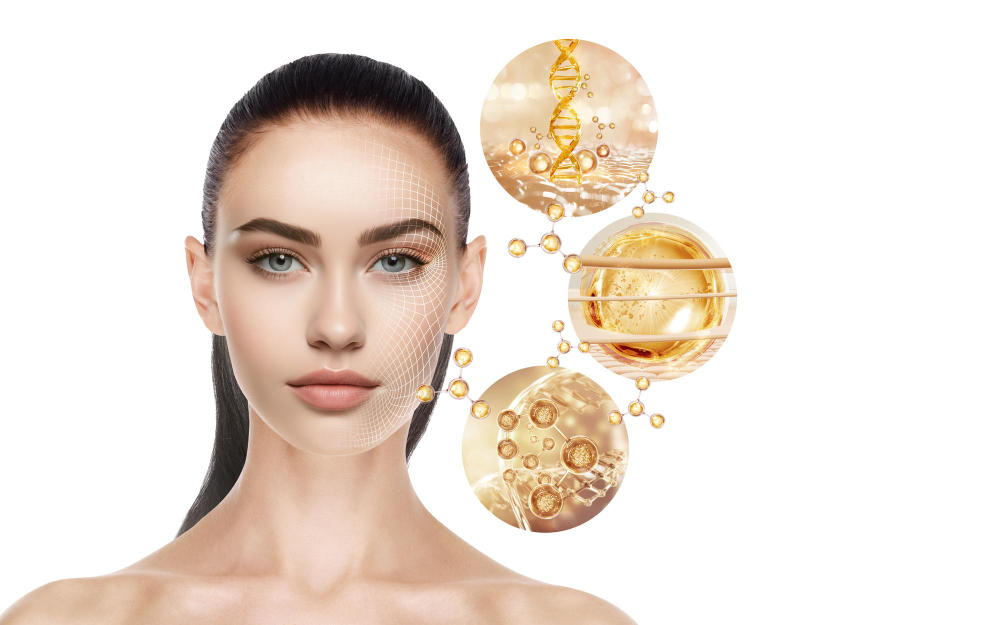
Introduction to Glutathione in Skin Care
Many people are curious about glutathione in skin care. This powerful antioxidant is gaining attention for its possible skin benefits. But what is glutathione, and how does it work? In this blog, you will learn about glutathione for skin, its uses, benefits, and safety. We will also discuss how to use it wisely and avoid common myths.
What Is Glutathione?
Glutathione is a natural substance found in every cell of your body. It helps protect cells from damage. Your body makes glutathione from three building blocks: glutamine, glycine, and cysteine. Because it fights harmful molecules called free radicals, it is known as an antioxidant. Some people believe it can help brighten skin and improve skin health.
How Does Glutathione Work in Skin Care?
Glutathione works by fighting free radicals, which can harm your skin. These free radicals come from pollution, sunlight, and even stress. When your skin has fewer free radicals, it may look healthier and brighter. Some studies suggest glutathione can also slow down the production of melanin. Melanin is the pigment that gives skin its color. Less melanin may mean lighter or more even-toned skin.
Benefits of Glutathione for the Skin
People use glutathione for skin care for many reasons. Here are some possible benefits:
However, results can vary from person to person. Not everyone will see the same effects.
Common Uses and Forms of Glutathione
Glutathione skin care products come in several forms. You can find it as:
Each form works in a different way. For example, topical products are applied directly to the skin. Oral supplements are taken by mouth. Injectable glutathione is used in some clinics, but only under medical supervision. Always check with a doctor before starting any new product.
Safety, Side Effects, and Risks
Many people ask, “Is glutathione safe for skin?” For most, using glutathione in skin care is safe when used as directed. However, there are some things to keep in mind:
Because of these risks, you should always talk to a healthcare provider before using glutathione, especially in injectable form. The U.S. Food and Drug Administration (FDA) and World Health Organization (WHO) have warned about unapproved injectable products.
Scientific Evidence and Effectiveness
Some studies show that glutathione may help lighten skin and reduce dark spots. For example, a review in the Journal of Clinical and Aesthetic Dermatology found some benefit for skin brightening. However, more research is needed to prove how well it works and how safe it is in the long term. Not all products are the same, and results can differ. Always look for products tested in clinical studies.
Tips for Safe Use and Choosing Glutathione Skin Care Products
To use glutathione for skin safely, follow these tips:
Additionally, avoid products that make big promises or claim instant results. If a product sounds too good to be true, it probably is.
Prevention of Misuse and Common Myths
There are many myths about glutathione in skin care. For example, some people think it can change your skin color overnight. In reality, results take time and may be mild. Also, injectable glutathione is not approved for skin lightening in many countries. Using unapproved products can be risky. Always rely on facts, not rumors, when choosing skin care products.
Conclusion
Glutathione in skin care may offer some benefits, such as brighter skin and protection from damage. However, you should use it carefully and only after talking to a doctor. Scientific evidence is still growing, and safety is important. For the best advice, consult for personalized guidance on glutathione use in skin care.