
Introduction
Many people worry about hair loss. However, understanding hair shedding vs hair thinning is important. These two terms sound similar, but they are not the same. Hair shedding means losing more hair than usual, often for a short time. On the other hand, hair thinning means your hair becomes less dense over time. Knowing the difference between hair shedding and hair thinning helps you find the right solution. In this blog, we will explain both conditions, their causes, and how to manage hair thinning or shedding.
What is Hair Shedding?
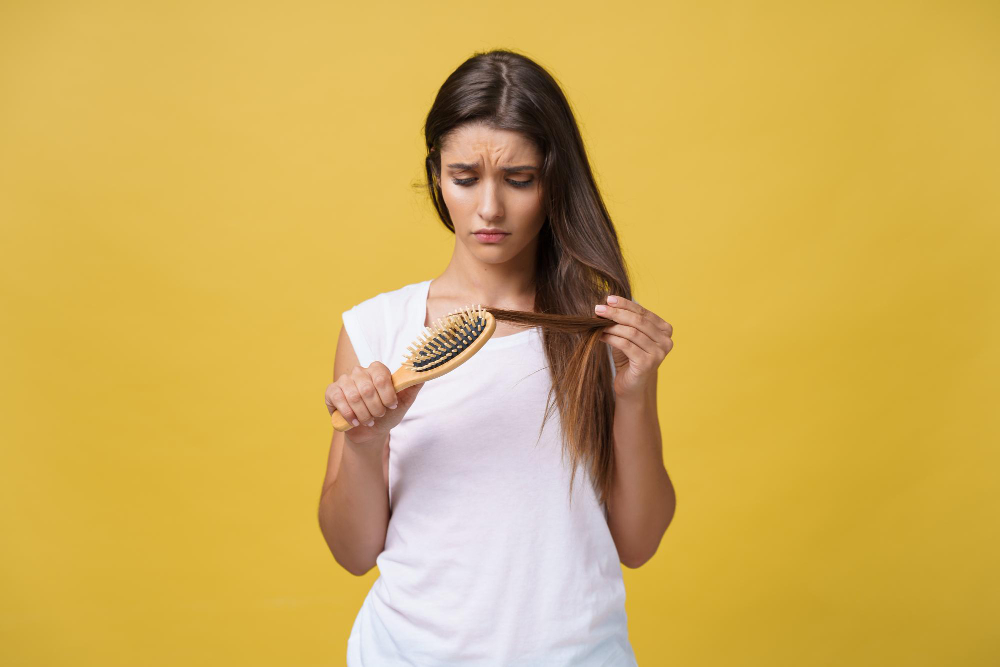
Hair shedding is a normal part of the hair growth cycle. Every day, you may lose 50 to 100 hairs. This is normal and nothing to worry about. Sometimes, you may notice more hair falling out than usual. For example, after stress, illness, or childbirth, hair shedding can increase. This is called telogen effluvium. Usually, this extra shedding lasts a few months and then stops. Symptoms include more hair on your pillow, in the shower, or on your hairbrush. However, your hair should look just as thick as before.
What is Hair Thinning?
Hair thinning means your hair is slowly losing its fullness. Unlike shedding, thinning happens over time. You may see your scalp more easily or notice your ponytail feels thinner. Common causes include aging, genetics, or certain health problems. For example, some people have a family history of thinning hair. Others may have medical conditions like thyroid disease. Hair thinning often does not cause large amounts of hair to fall out at once. Instead, the hair becomes finer and less dense. This is different from normal shedding.
Key Differences Between Hair Shedding and Hair Thinning
Diagnosis
It can be hard to tell the difference between hair shedding and hair thinning. However, there are some signs to watch for. If you notice sudden, heavy hair loss, it may be shedding. If your hair slowly becomes thinner, it may be thinning. A dermatologist can help you find the cause. They may ask about your health, family history, and recent events. Sometimes, they will check your scalp or do blood tests. If you are unsure, it is best to see a dermatologist for a proper diagnosis.
Treatment and Management
There are many ways to manage hair loss. The right treatment depends on the cause. For hair shedding, the problem often goes away on its own. However, you can help by:
For hair thinning, treatment may take longer. Options include:
According to the American Academy of Dermatology, early treatment gives the best results. Therefore, it is important to act quickly if you notice changes.
When to Seek Professional Help
If you notice sudden or severe hair loss, see a dermatologist. Also, if you have pain, redness, or itching on your scalp, get medical advice. Sometimes, hair loss can be a sign of a health problem. Early help can prevent further loss and improve your results.
Conclusion
In summary, knowing the difference between hair shedding and hair thinning is key. Shedding is often short-term and linked to stress or illness. Thinning is usually slow and linked to genetics or aging. Both can be managed with the right care. If you notice unusual hair changes, consult a dermatologist for personalized advice.