
Seborrheic dermatitis is a common skin condition that causes red, flaky, and itchy patches. Many people notice it on their scalp, face, or chest. Because it can be uncomfortable, understanding seborrheic dermatitis is important. In this blog, you will learn about its causes, symptoms, diagnosis, and treatment options. You will also find tips on how to manage seborrheic dermatitis and prevent flare-ups.
What is Seborrheic Dermatitis?
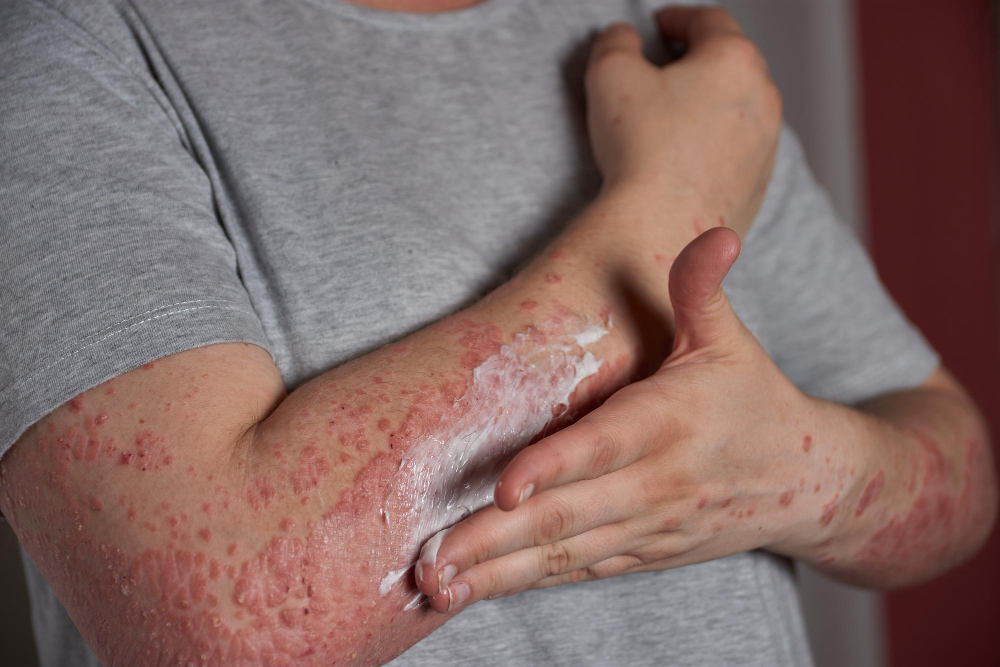
Seborrheic dermatitis is a long-lasting skin problem. It leads to greasy, scaly patches and redness. Often, it affects areas with many oil glands, like the scalp, eyebrows, and sides of the nose. Sometimes, it is called scalp dermatitis or dandruff when it appears on the scalp. Although it is not contagious, it can be bothersome. For many, it comes and goes over time.
Common Symptoms
Symptoms of seborrheic dermatitis can vary. However, most people notice:
Sometimes, symptoms get worse in cold or dry weather. For example, stress can also trigger flare-ups.
Causes and Risk Factors
The exact cause of seborrheic dermatitis is not fully known. However, experts believe several factors play a role. First, a type of yeast called Malassezia lives on the skin. In some people, it can grow too much and irritate the skin. Second, oily skin can make symptoms worse. Third, genetics may increase your risk. In addition, certain health conditions, like Parkinson’s disease or HIV, can raise the chance of getting seborrheic dermatitis.
Common risk factors include:
According to the American Academy of Dermatology, these factors can make seborrheic dermatitis more likely.
How Seborrheic Dermatitis is Diagnosed
Doctors usually diagnose seborrheic dermatitis by looking at your skin. They may ask about your symptoms and medical history. Sometimes, they gently scrape a small piece of skin to check for infection or other skin problems. In most cases, no special tests are needed. However, if symptoms are unusual, your doctor may order tests to rule out other conditions.
Treatment Options
There are many ways to treat seborrheic dermatitis. Treatment depends on how severe your symptoms are. For mild cases, over-the-counter shampoos and creams often help. For example, look for products with:
If these do not work, your doctor may prescribe stronger medicines. These can include:
Always follow your doctor’s advice for scalp dermatitis treatment. Using treatments as directed helps control symptoms and prevent flare-ups.
Lifestyle Tips and Prevention
While seborrheic dermatitis cannot always be prevented, certain habits can help manage it. For instance, you can:
Additionally, try to avoid triggers like cold weather or strong soaps. If you notice a flare-up, early treatment can help reduce symptoms.
When to See a Dermatologist
Sometimes, seborrheic dermatitis does not improve with home care. If your symptoms are severe, painful, or spreading, it is time to see a dermatologist. Also, if over-the-counter treatments do not help, a doctor can suggest stronger options. Early medical advice can prevent complications and help you find the best way to manage seborrheic dermatitis.
In summary, seborrheic dermatitis is common but manageable. For the best results, consult a dermatologist for personalized advice on seborrheic dermatitis.