
What is Acne Vulgaris?
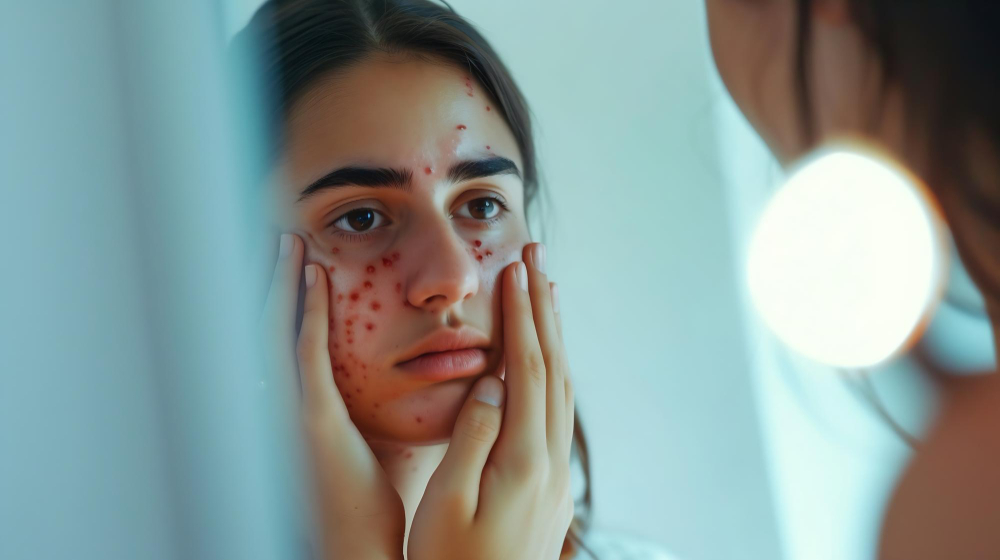
Acne vulgaris, often called pimples, is a common skin problem. It happens when hair follicles get clogged with oil and dead skin cells. As a result, red bumps, blackheads, or whiteheads may appear on the face, back, or chest. Many people wonder about the causes of acne vulgaris and why pimples form. Although acne is not dangerous, it can affect self-confidence and skin health. According to the World Health Organization (WHO), acne is most common in teenagers but can affect people of all ages.
Most Common Causes of Acne Vulgaris
Several factors can lead to acne breakouts. Understanding these acne triggers can help you take steps to prevent them. Here are the most common causes:
How These Causes Affect the Skin
Each cause affects the skin in a unique way. For example, hormonal changes boost oil production. This extra oil mixes with dead skin cells and blocks pores. When pores are blocked, bacteria can grow inside. As a result, the skin becomes red, swollen, and sometimes painful. In addition, using the wrong skincare products can make the problem worse. Even environmental factors, like pollution, can irritate the skin and trigger breakouts. Therefore, understanding these causes can help you make better choices for your skin health.
Risk Factors and Who is Most Affected
Acne vulgaris can affect anyone, but some people are at higher risk. Teenagers are most likely to get acne because of hormonal changes during puberty. However, adults can also develop pimples, especially women during pregnancy or menstruation. Genetics play a big part, so if your family has a history of acne, you may be more prone to breakouts. People who use oily makeup or live in humid areas may also notice more pimples. In summary, age, hormones, family history, and lifestyle all play a role in acne risk.
Tips to Reduce Acne Triggers
While you cannot control all causes, you can take steps to reduce acne triggers. Here are some helpful tips for preventing acne breakouts:
Because everyone’s skin is different, what works for one person may not work for another. However, these steps can help most people improve their skin health and reduce pimples.
If you struggle with acne, consult a dermatologist for personalized advice.