

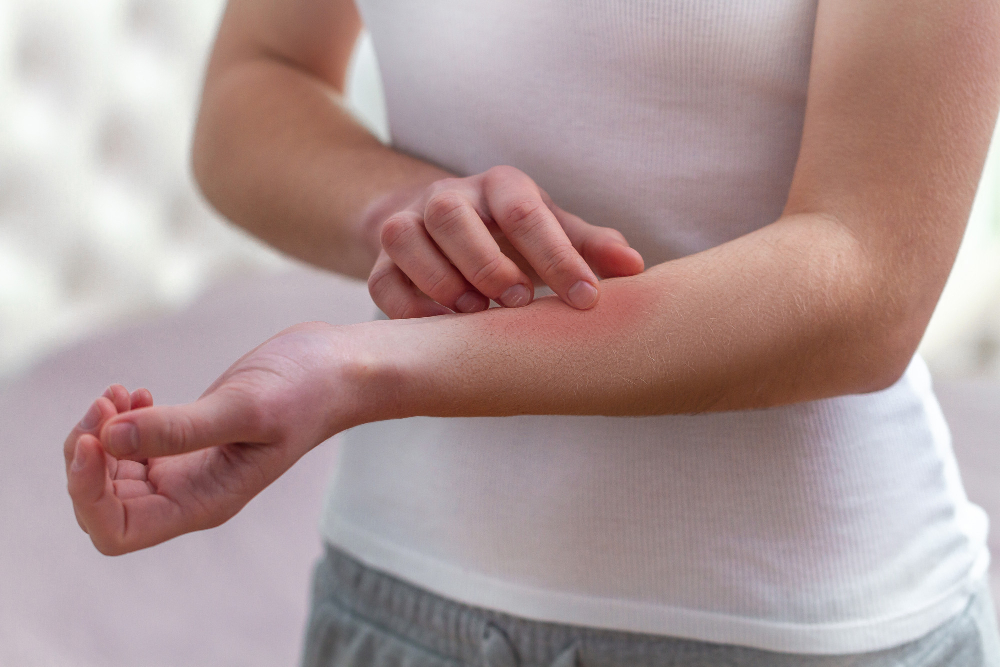
What is Eczema?
Eczema is a common skin condition. It causes dry, itchy, and inflamed skin. Many people, both children and adults, experience eczema. According to the CDC, eczema affects about 10% of people in the United States. While it is not contagious, it can be uncomfortable. Eczema often appears on the hands, face, or behind the knees. However, it can show up anywhere on the body. Understanding eczema helps you find the best ways to manage it.
Common Symptoms of Eczema
Symptoms of eczema can vary. However, most people notice some common signs. Early treatment can help reduce discomfort. Look for these symptoms:
Sometimes, eczema symptoms in adults are different from those in children. For example, adults may have thicker skin patches. Children often get eczema on their cheeks or arms.
Causes and Risk Factors
Doctors do not know the exact cause of eczema. However, several factors can increase your risk. Eczema often runs in families. If a parent has eczema, their child may develop it too. Other risk factors include:
Sometimes, certain foods or fabrics can trigger eczema flare-ups. For example, wool clothing or spicy foods may cause irritation in some people.
How Eczema is Diagnosed
Doctors usually diagnose eczema by looking at your skin. They may ask about your symptoms and family history. Sometimes, a doctor will do a patch test. This test helps find out if an allergy is causing your eczema. In rare cases, a skin biopsy may be needed. However, most people do not need special tests. Early diagnosis helps you start eczema treatment options sooner.
Treatment Options for Eczema
There is no cure for eczema. However, many treatments can help control symptoms. Your doctor may suggest:
For mild cases, over-the-counter creams may help. However, always talk to your doctor before starting new treatments. Eczema treatment options may vary based on your age and symptoms.
Lifestyle Tips and Home Care
Simple changes at home can make a big difference. Try these tips to manage eczema:
In addition, managing stress can help prevent flare-ups. Try deep breathing or gentle exercise to relax.
Preventing Eczema Flare-Ups
While you cannot always prevent eczema, you can lower your risk of flare-ups. Follow these steps:
For people living in dry or cold areas, using a humidifier can help. This keeps the air moist and protects your skin.
When to See a Dermatologist
Sometimes, home care is not enough. See a dermatologist if:
Early help from a skin specialist can prevent complications. In addition, a dermatologist can suggest the best eczema treatment options for you.
For more help, consult a dermatologist for personalized advice on managing eczema.